5 Things Homeowners Can Check Before Calling an HVAC Technician

When your AC isn’t cooling your home the way it normally does, it’s easy to panic. You may immediately wonder whether the system has a major problem or if you’re facing an expensive repair.
Before you worry, take a moment to check a few simple things. Some HVAC problems stem from basic issues that homeowners can safely spot themselves. And if something more serious is going on, these checks can give you useful information to share with your HVAC technician.
Here are five things you can check before making the call.
1. Check Your Thermostat
Start with the simplest possibility: your thermostat.
Make sure it’s set to Cool and that the temperature is set lower than the current temperature in your home. If your thermostat uses batteries, check whether they need replacing.
Also, look at the fan setting. If it’s set to “On,” the fan may continue running even when the AC isn’t actively cooling.
A thermostat issue doesn’t always mean there’s a problem with the HVAC system itself.
2. Take a Look at Your Air Filter
A dirty air filter can restrict the amount of air moving through your HVAC system. This can lead to weak airflow, longer run times, and difficulty keeping your home comfortable.
Check your filter to see if it’s heavily covered with dust and debris. If it is, replace it with the appropriate filter for your system.
Don’t assume that a more expensive filter is automatically the right choice. Your HVAC system has specific airflow needs, so use a filter that is appropriate for your equipment.
3. Make Sure Your Vents and Returns Are Clear
Walk through your home and check your supply vents and return grilles.
Furniture, curtains, rugs, or other household items can sometimes block airflow. Your HVAC system needs a clear path for air to move through your home.
If one room feels warmer than the others, checking for blocked vents is a simple place to start.
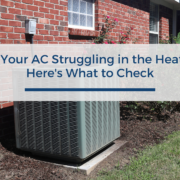
4. Check the Outdoor Unit
Take a look at your outdoor AC unit. You don’t need to open anything or touch the equipment.
Simply check for obvious problems around the unit. Leaves, grass, branches, or other debris can restrict airflow. Also, look for visible damage or an unusual amount of water around the equipment.
Keep the area around the unit reasonably clear, but don’t remove panels or attempt to repair anything yourself.
5. Pay Attention to Anything That Seems Different
Sometimes the most useful thing you can do is simply notice what’s changed.
Is the AC making a new or unusual noise? Does it smell different when it runs? Is the airflow weaker than usual? Is the system running much longer than usual? Do you see ice or water where you haven’t seen it before?
You don’t need to figure out what these signs mean. Just take note of them. That information can help your technician understand what’s happening.
When Should You Call an HVAC Technician?
These checks are a good starting point, but they’re not a substitute for professional service.
If you’ve gone through the list and your AC still isn’t working properly, it’s time to call an HVAC technician. You should also get professional help if you notice water leaks, ice buildup, electrical issues, unusual noises, burning smells, or anything else that doesn’t seem safe or normal.
Most importantly, don’t open the equipment or attempt electrical, refrigerant, or mechanical repairs yourself. HVAC systems contain components that require the right tools, training, and safety precautions.
A few simple checks can help you understand what’s happening, but you don’t have to diagnose the problem yourself. When something isn’t right, Proficient Air can inspect the system, identify the cause, and help you determine the right next step.
Sometimes the problem is simple. Sometimes it isn’t. Either way, knowing what you can safely check can make the situation a lot less stressful.