How to Spot (and Stop) Mold in Your HVAC System
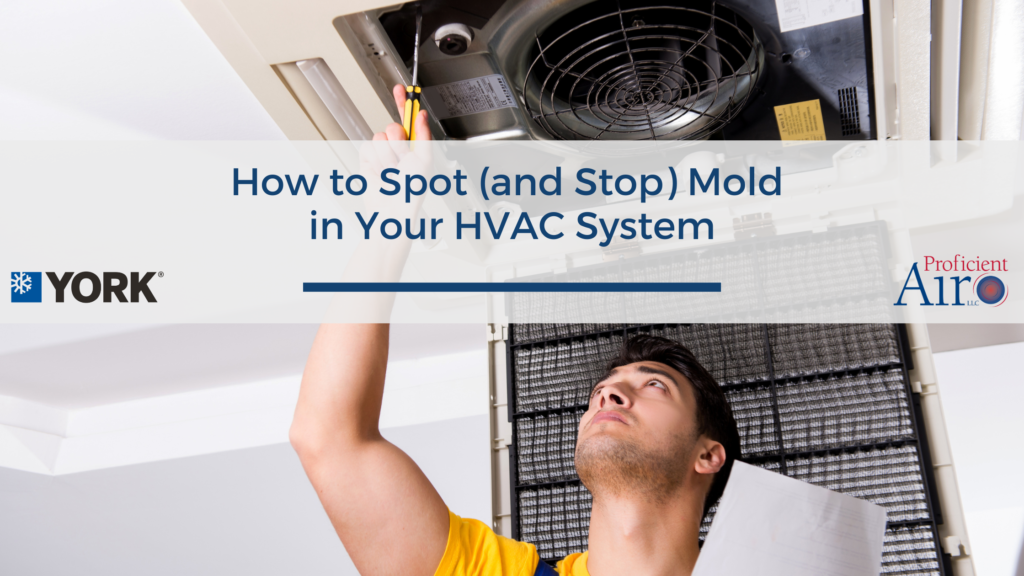
Living in Tampa has many perks—sunshine, beaches, and warm weather year-round. But all that heat and humidity can also create the perfect conditions for a less welcome guest: mold.
And one of the sneakiest places it can hide? Your HVAC system. That’s why it’s essential to know how to spot mold in your HVAC system, how it can affect your health, and how to stop it from becoming a problem.
In this article, we’ll walk you through how to spot the signs of mold, understand the risks, and keep your HVAC system clean and healthy.
Why Tampa’s Humidity Makes Mold an HVAC Nightmare
Mold loves two things: moisture and warmth. When moisture mixes with dust in your HVAC system, mold spores grow faster than weeds in a rainstorm. Pair that with dark, enclosed ducts, and you’ve got a mold paradise.
Here’s why Tampa homes are especially at risk:
- High Humidity: Tampa’s average humidity is 74%—mold’s dream environment.
- Frequent Storms: Rain and flooding push moisture into ducts and drip pans.
- AC Overuse: Running your system nonstop creates condensation, feeding mold.
Ignoring mold can lead to costly repairs and even health issues.
4 Signs Mold Is Lurking in Your HVAC System
Spotting mold in your HVAC system isn’t always easy because it’s often hidden from view. However, there are some telltale signs that mold may be present.
Musty Odors
If you start noticing a musty, damp smell coming from your vents, it could be a sign there’s mold growing inside your system. This odor is caused by mold spores released into the air as the HVAC system runs.
Visible Mold Growth
While not always visible, you may notice dark spots or patches on your air filters, ductwork, or vents. If you can safely access these areas, look closely for any sign of mold growth.
Frequent Allergy Symptoms
If you or your family members experience coughing, sneezing, or difficulty breathing, especially when the AC is running, it could be due to mold spores circulating in the air. Mold is a common allergen that can trigger respiratory issues, particularly in individuals with asthma or other lung conditions.
Increased Humidity or Moisture
Excess moisture around your HVAC system or in your home can contribute to mold growth. If you notice areas of your home feeling unusually damp, it could indicate a mold issue in your system.
How to Prevent Mold in Your HVAC System
1. Replace Air Filters Regularly
A dirty filter can trap moisture and feed mold. Replace your air filter every 1–3 months or more often if you have pets or allergies.
2. Keep the System Dry
Check your drain lines and drip pans regularly to ensure water drains properly. No standing water should ever be in or around the unit.
3. Use a Dehumidifier
Keeping your indoor humidity below 60% makes it much harder for mold to grow. A whole-home dehumidifier can make a big difference, especially during Tampa’s rainy season.
4. Schedule Routine Maintenance
Have a professional HVAC technician inspect and service your system at least once a year. They can spot and fix small issues before they turn into big (and moldy) problems.
5. Seal Air Leaks
Leaks in your ductwork can pull in humid air from attics or crawl spaces. Sealing these leaks helps keep moisture out and your system clean.
When It’s Time to Call HVAC Professionals
While those DIY checks are a good start, some things are best left to the experts at Proficient Air.
It’s time to give us a call if you notice any of these:
- Unusual Noises or Smells: These can indicate underlying electrical or mechanical problems.
- Weak or No Airflow: Poor cooling performance may signal serious blockages or internal issues.
- Inconsistent Cooling: If some areas of your home are cooler than others, the system might not function properly.
- Visible Leaks (Water or Refrigerant): Any leaks require immediate attention.
- Electrical Issues: Unstable or flickering power to the unit needs expert repair.
- Mold or Corrosion Concerns: A professional assessment is needed to treat and prevent mold or salt corrosion damage.
Final Thoughts
Don’t let AC troubles ruin your vacation or your guests’ experience. Taking a little time now to prepare your vacation home’s AC can save you time, money, and stress in the long run.
Call us today at (727) 386-2732 to schedule your vacation home AC maintenance. We’re here to care for your AC so you can relax and enjoy a worry-free summer.